Liam Ferguson

Product designer & developer

I design digital products and get them built.

I’ve worked in web design and development, B2B ecommerce and employee communications software. I recently moved to Germany and am looking for my next role in product design or design engineering.

Available November 2026

Experience

  1. Product Designer

    Thrive.App · Belfast, Ireland

    Sole product designer for Thrive’s employee app and CMS, working across three engineering teams. I helped define features, design flows and interfaces, and review implementation.

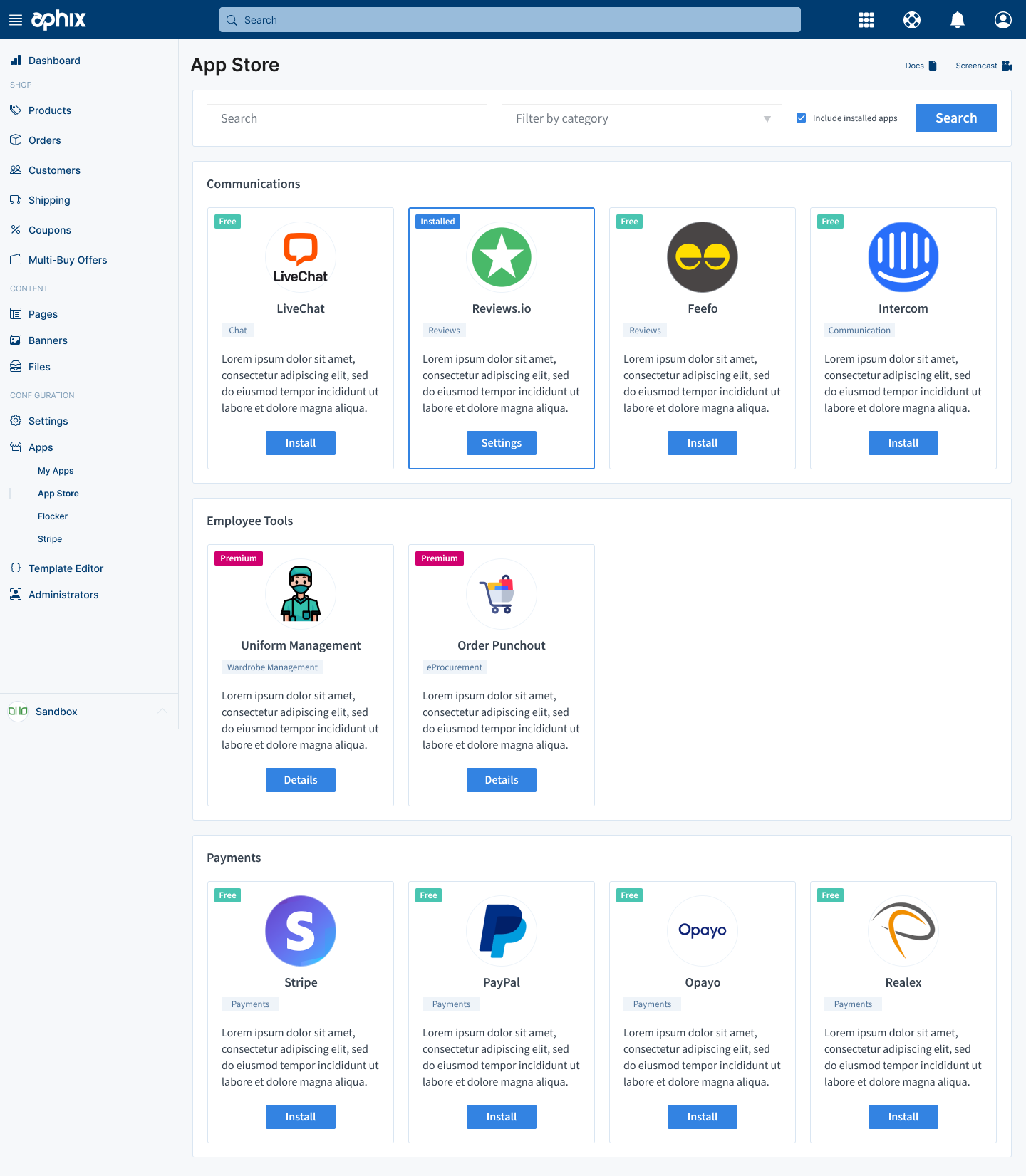
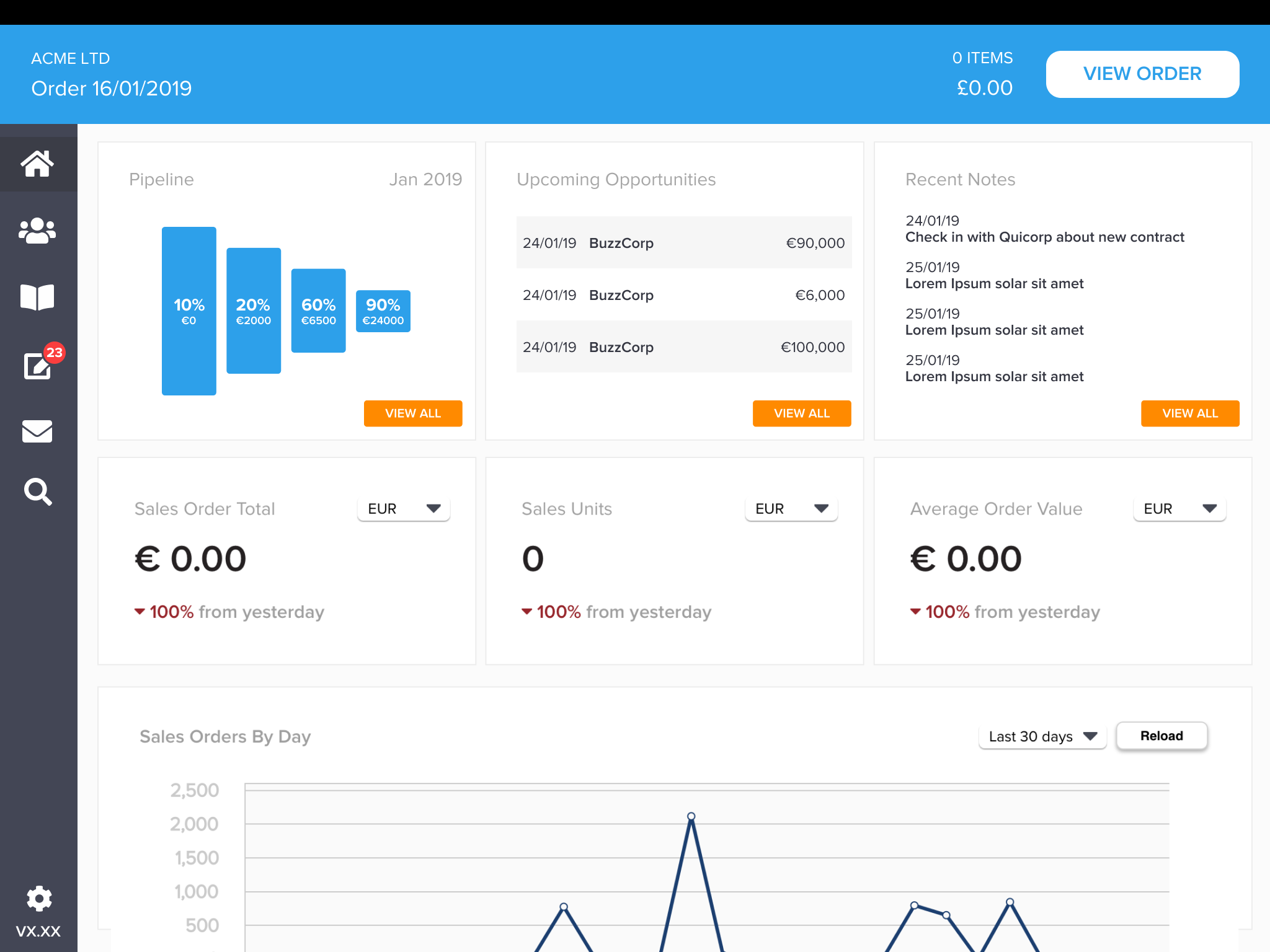
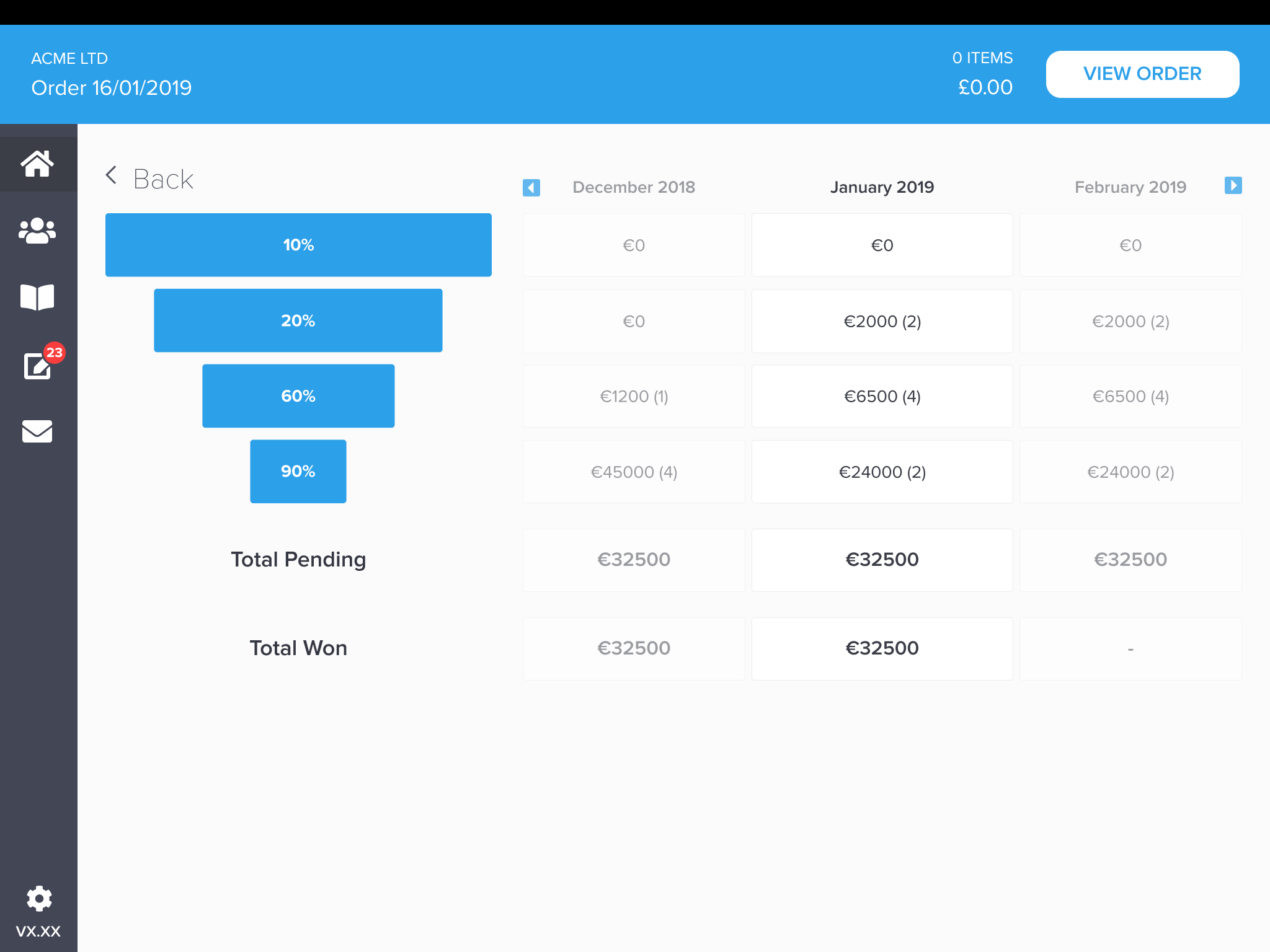
    PasskeysChatPlannerApp Store screenshot generator
  2. UX Designer

    Allstate · Belfast, Ireland

    Researched and designed an internal application for casualty claims adjusters. I worked with product, engineering, legal and claims experts to understand their workflows and develop user flows, prototypes and detailed interface designs.

  3. Digital Developer

    G&G Advertising · Toronto, Canada

    Built websites, email campaigns and digital advertising as the agency’s first and only developer. I worked directly with creative teams and clients.

  4. Web Developer & Designer

    31interactive Ltd · Belfast, Ireland

    Designed and built websites for clients in housing, hospitality, enterprise and local business, using the agency’s in-house CMS.

Side projects

Thrive.App

App Store screenshots for 100 apps

Design & frontend development · 2024

Thrive ran around 100 customer-branded versions of the same app, and each one needed its own App Store screenshots. I designed and built a generator so Customer Success could produce the assets themselves rather than relying on manual export work.

A small task multiplied by 100 apps

Thrive is a white-label product. Rather than maintaining a single app in the stores, we had around 100 customer-branded versions of the same product.

When an app needed to be rebuilt or resubmitted, the Customer Success team also needed updated screenshots for the App Store and Google Play, across the required device formats.

The existing process was almost entirely manual: open each branded app on the relevant devices, navigate to the right screens, capture the screenshots and prepare each version for submission.

For one app this was manageable. Across the full customer base, it meant hours of repetitive work every month.

The obvious solution was still too manual

I was originally asked to find a better way of producing the screenshots, with a reusable Figma template being one possibility.

That would have made the design work quicker, but it would still have created a dependency on somebody comfortable editing Figma files, swapping assets and exporting the right formats.

Instead, I wanted to give the team doing the submissions the ability to generate everything themselves.

Turning the app into a configurable template

I designed and built a browser-based screenshot generator around the parts of each white-label app that actually changed.

The team could enter the app name, choose the customer’s theme colour, select the appropriate content layout and imagery, and configure the screens without touching the underlying design files.

The generator then recreated a set of representative product screens across the required phone and tablet formats, ready to download and use in the store submission process.

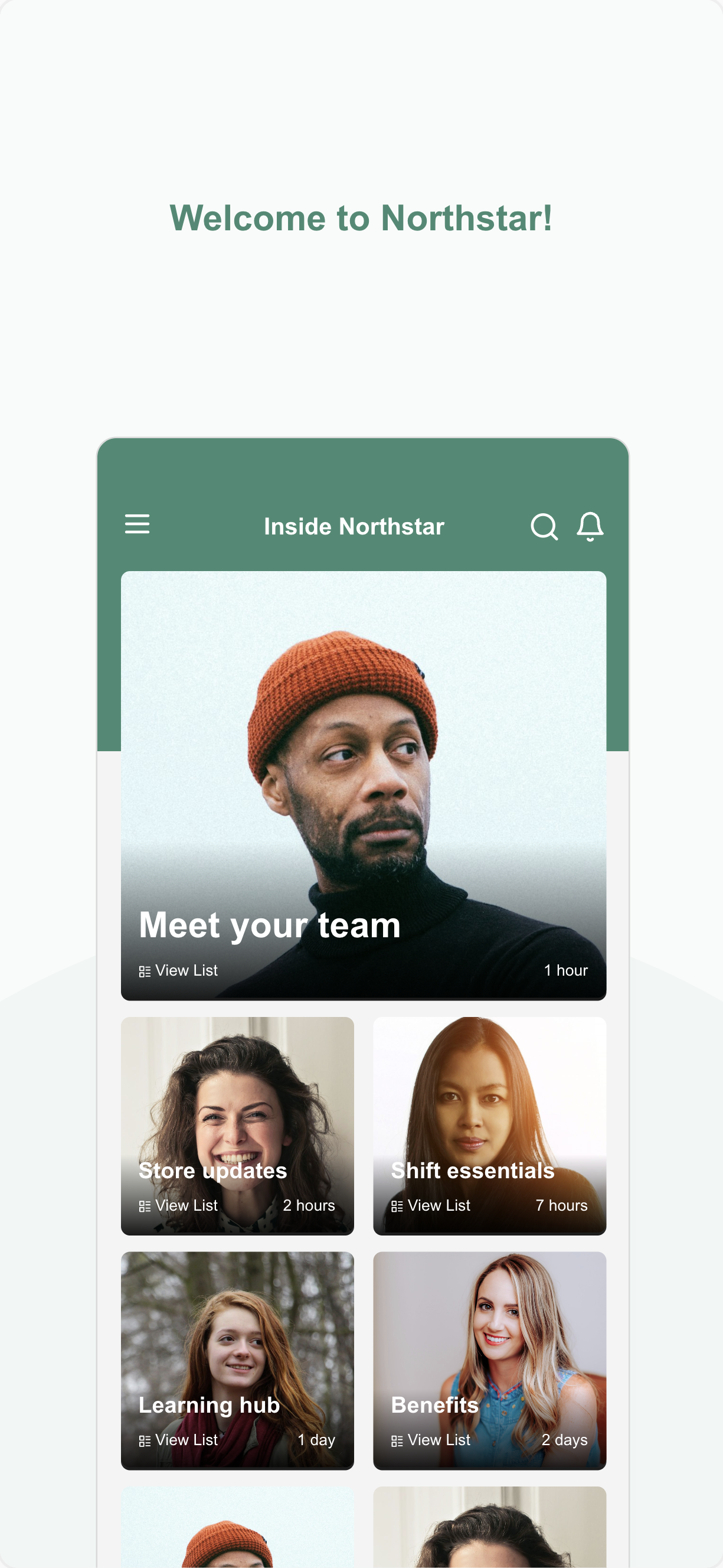
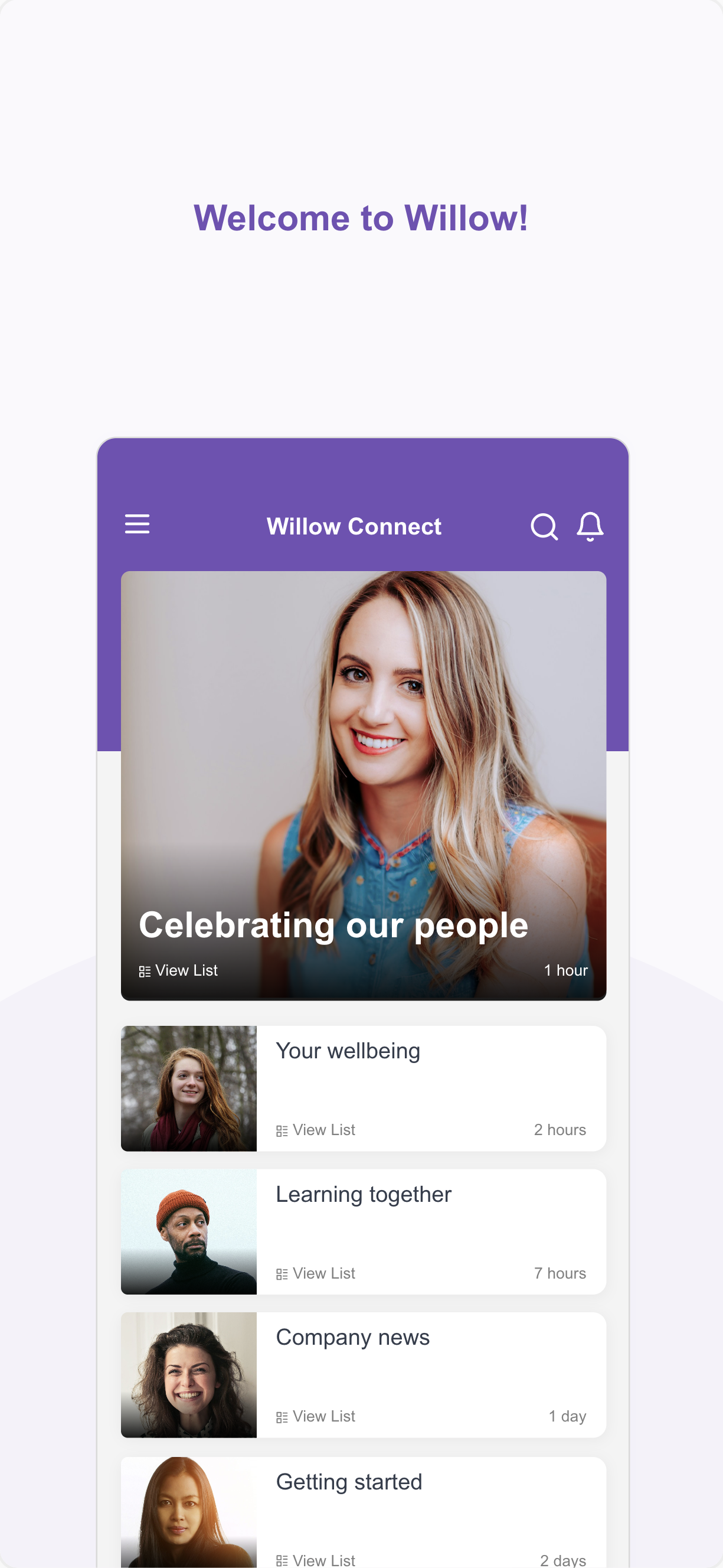
Northstar and Willow are fictional examples showing how the app name, branding, imagery, content and layout can change together.

An example generated app with a branded home screen and generated product content.
Another generated app showing the same template with different branding and content.

Designing and building the whole thing

This was a relatively small internal product, so I took it from idea through design and into working frontend code myself.

It also meant changes to the app’s visual language or store requirements could be reflected once in the generator rather than repeated across dozens of individual files.

Removing the bottleneck

Customer Success could now prepare the store assets themselves, without setting up each branded app on a collection of devices.

Customer Success still uses the generator for store submissions.