Liam Ferguson

Product designer & developer

I design digital products and get them built.

I’ve worked in web design and development, B2B ecommerce and employee communications software. I recently moved to Germany and am looking for my next role in product design or design engineering.

Available November 2026

Experience

  1. Product Designer

    Thrive.App · Belfast, Ireland

    Sole product designer for Thrive’s employee app and CMS, working across three engineering teams. I helped define features, design flows and interfaces, and review implementation.

    PasskeysChatPlannerApp Store screenshot generator
  2. UX Designer

    Allstate · Belfast, Ireland

    Researched and designed an internal application for casualty claims adjusters. I worked with product, engineering, legal and claims experts to understand their workflows and develop user flows, prototypes and detailed interface designs.

  3. Digital Developer

    G&G Advertising · Toronto, Canada

    Built websites, email campaigns and digital advertising as the agency’s first and only developer. I worked directly with creative teams and clients.

  4. Web Developer & Designer

    31interactive Ltd · Belfast, Ireland

    Designed and built websites for clients in housing, hospitality, enterprise and local business, using the agency’s in-house CMS.

Side projects

Aphix Software

Turning one-off integrations into a self-service product

Product design · 2020

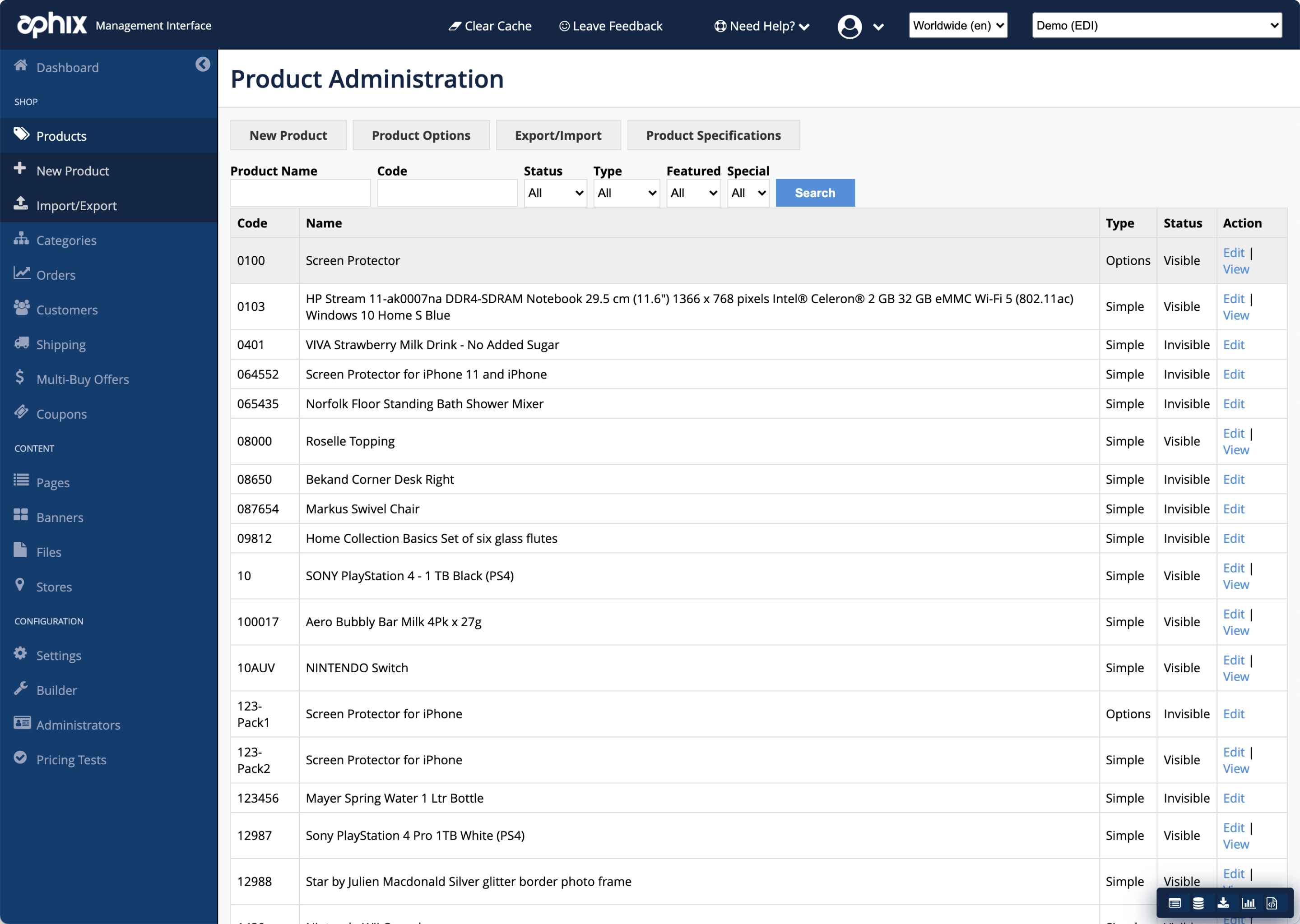
Aphix supported dozens of integrations, but customers couldn’t see them and often needed a developer to set one up. I designed an App Store that made them visible and gave every integration the same structure for installation, configuration and management.

Integrations customers couldn’t find

Aphix already connected with a growing number of third-party services, including payment providers, review platforms, customer-support tools and other ecommerce services.

Many had been built for individual customers. Other customers could use them, but had no central place to see what Aphix supported.

Setup also varied. A customer could need someone at Aphix to identify the integration and a developer to configure it.

Making what we already had visible

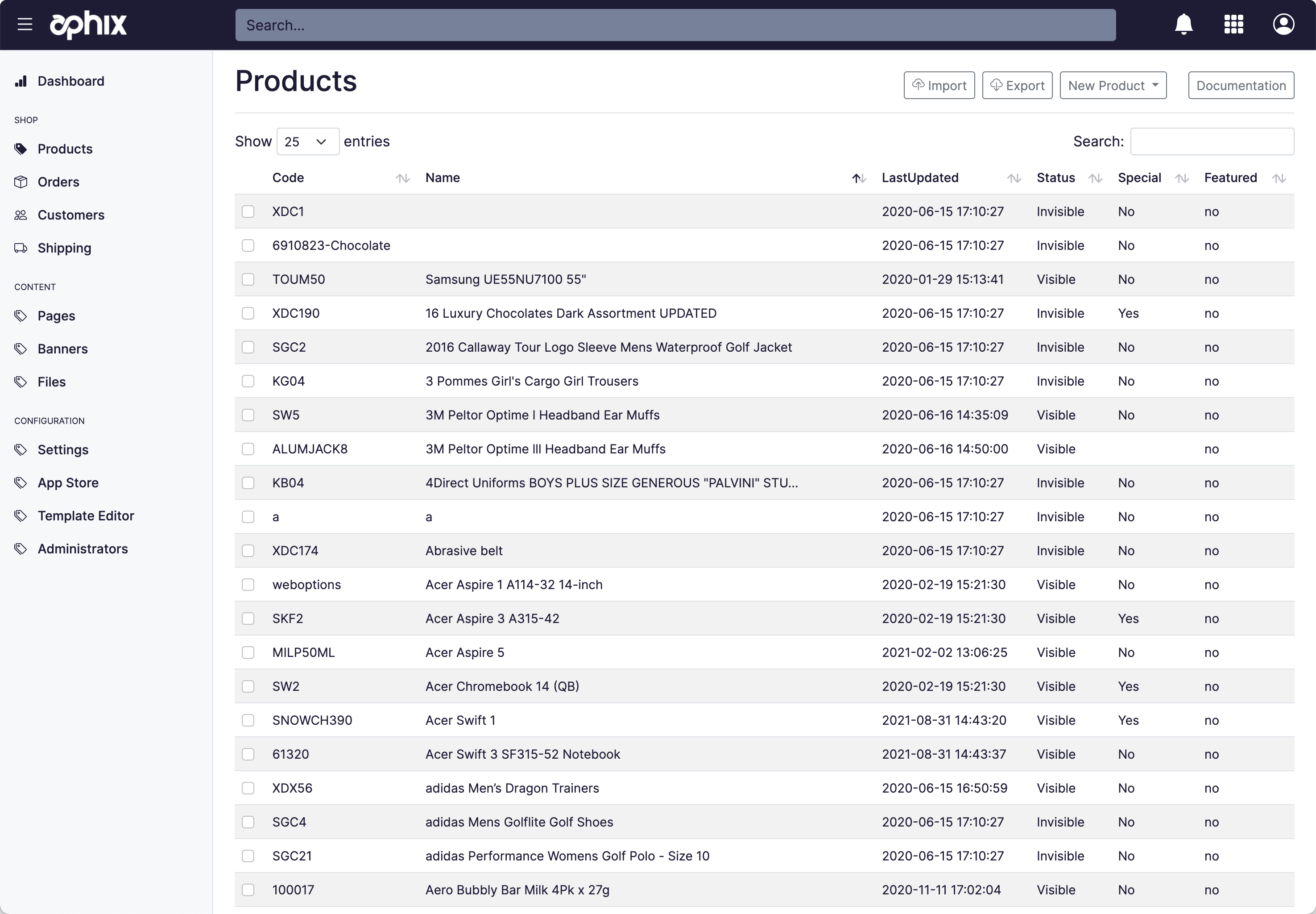
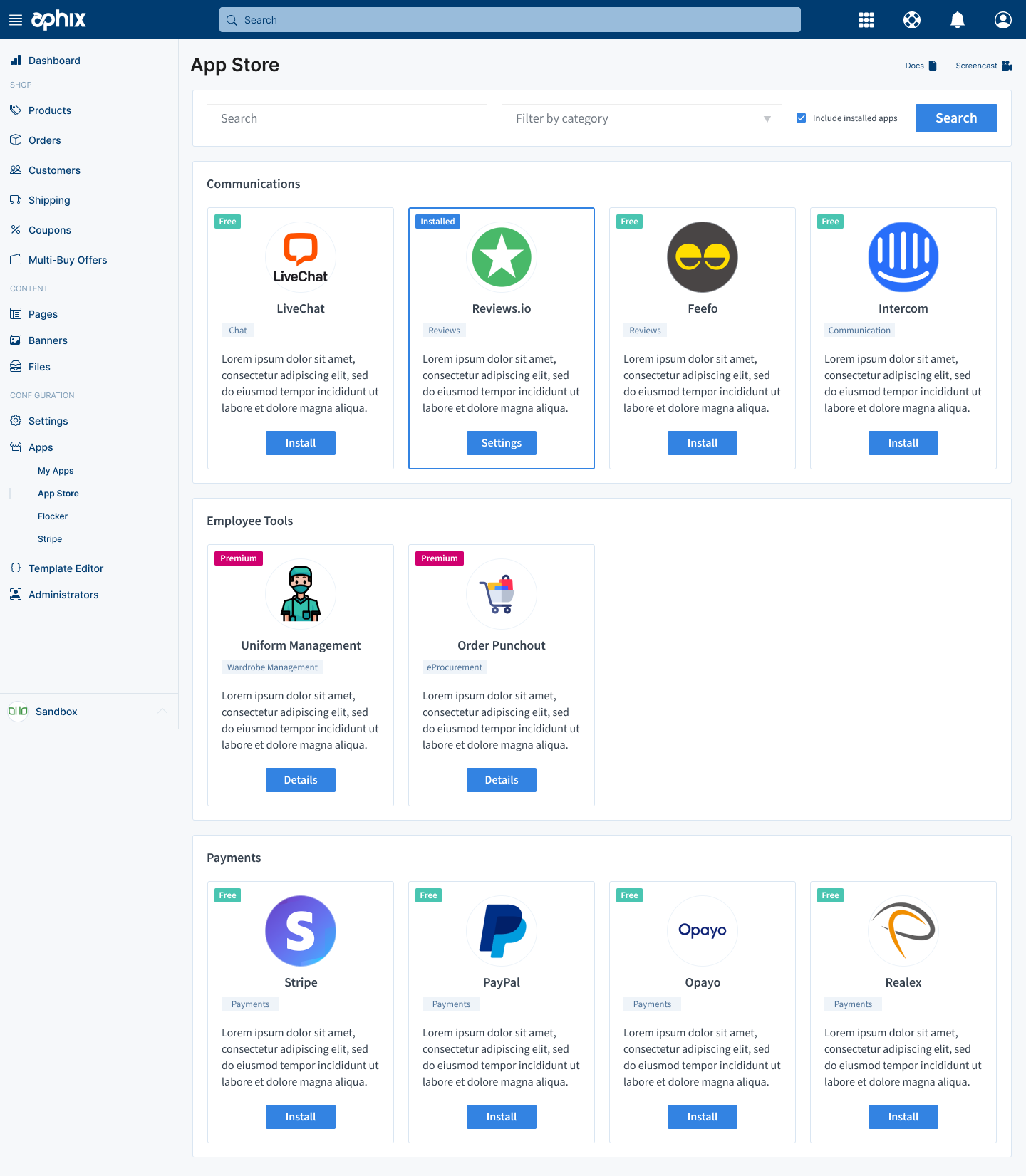
I designed an App Store inside the management interface where customers could browse available integrations, search and filter them by category, understand what each one did and see which ones were already installed.

Customers can browse integrations by category and distinguish available apps from those already installed.

Designing a consistent installation model

An app could be available, installed, configured or active.

Each integration could expose its settings inside the management interface. For a payment provider, that could mean entering the required account details and activating it without asking Aphix support for manual setup.

The settings varied by app, but installation and activation followed the same pattern.

Installing an app and activating it are separate steps. Stripe stays inactive until the required account details are configured.

Giving customers more control

My Apps listed installed integrations and linked to their settings. Customers could change those settings without raising another request with support or development.

My Apps gives customers a route back to each installed integration’s settings.

Reusing integrations across customers

Once an integration was in the App Store, another customer could find it and use the same installation and configuration flow.

The same model also gave new integrations a more consistent structure internally. Instead of treating each integration as a one-off feature, developers had a common way to expose installation, configuration and settings surfaces.