Liam Ferguson

Product designer & developer

I design digital products and get them built.

I’ve worked in web design and development, B2B ecommerce and employee communications software. I recently moved to Germany and am looking for my next role in product design or design engineering.

Available November 2026

Experience

  1. Product Designer

    Thrive.App · Belfast, Ireland

    Sole product designer for Thrive’s employee app and CMS, working across three engineering teams. I helped define features, design flows and interfaces, and review implementation.

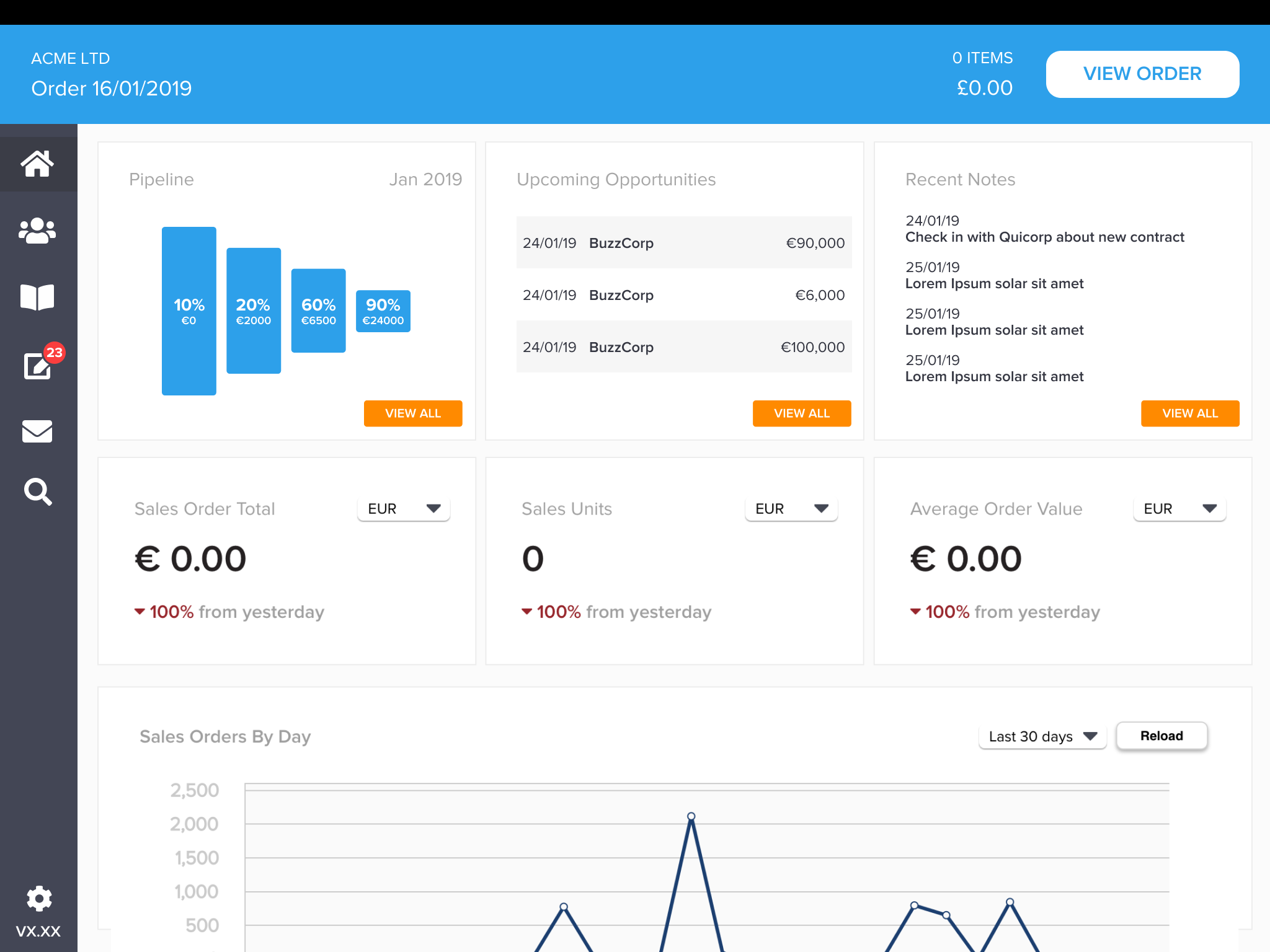
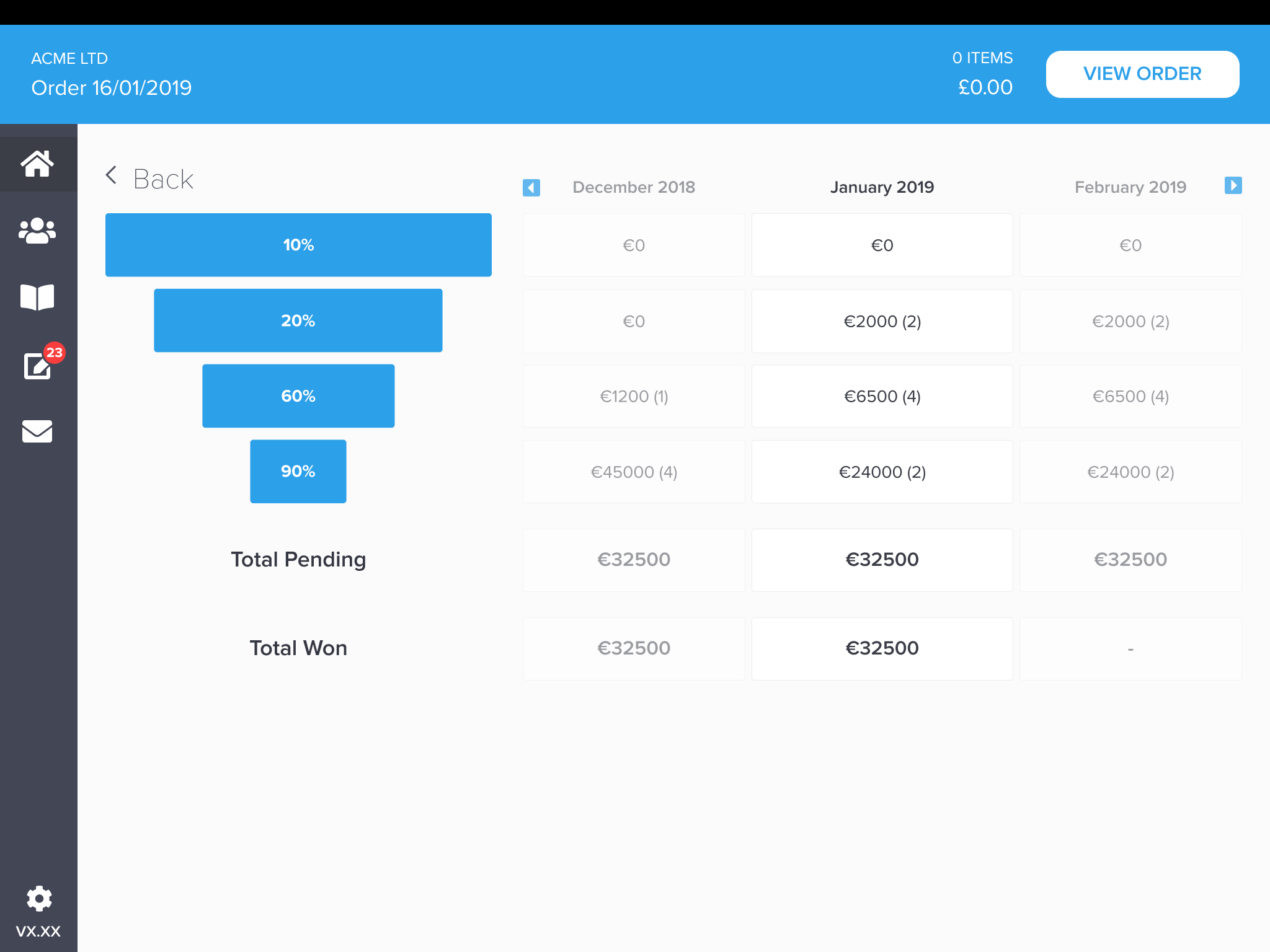
    PasskeysChatPlannerApp Store screenshot generator
  2. UX Designer

    Allstate · Belfast, Ireland

    Researched and designed an internal application for casualty claims adjusters. I worked with product, engineering, legal and claims experts to understand their workflows and develop user flows, prototypes and detailed interface designs.

  3. Digital Developer

    G&G Advertising · Toronto, Canada

    Built websites, email campaigns and digital advertising as the agency’s first and only developer. I worked directly with creative teams and clients.

  4. Web Developer & Designer

    31interactive Ltd · Belfast, Ireland

    Designed and built websites for clients in housing, hospitality, enterprise and local business, using the agency’s in-house CMS.

Side projects

Aphix Software

Modernising B2B commerce management

Design & frontend development · 2021

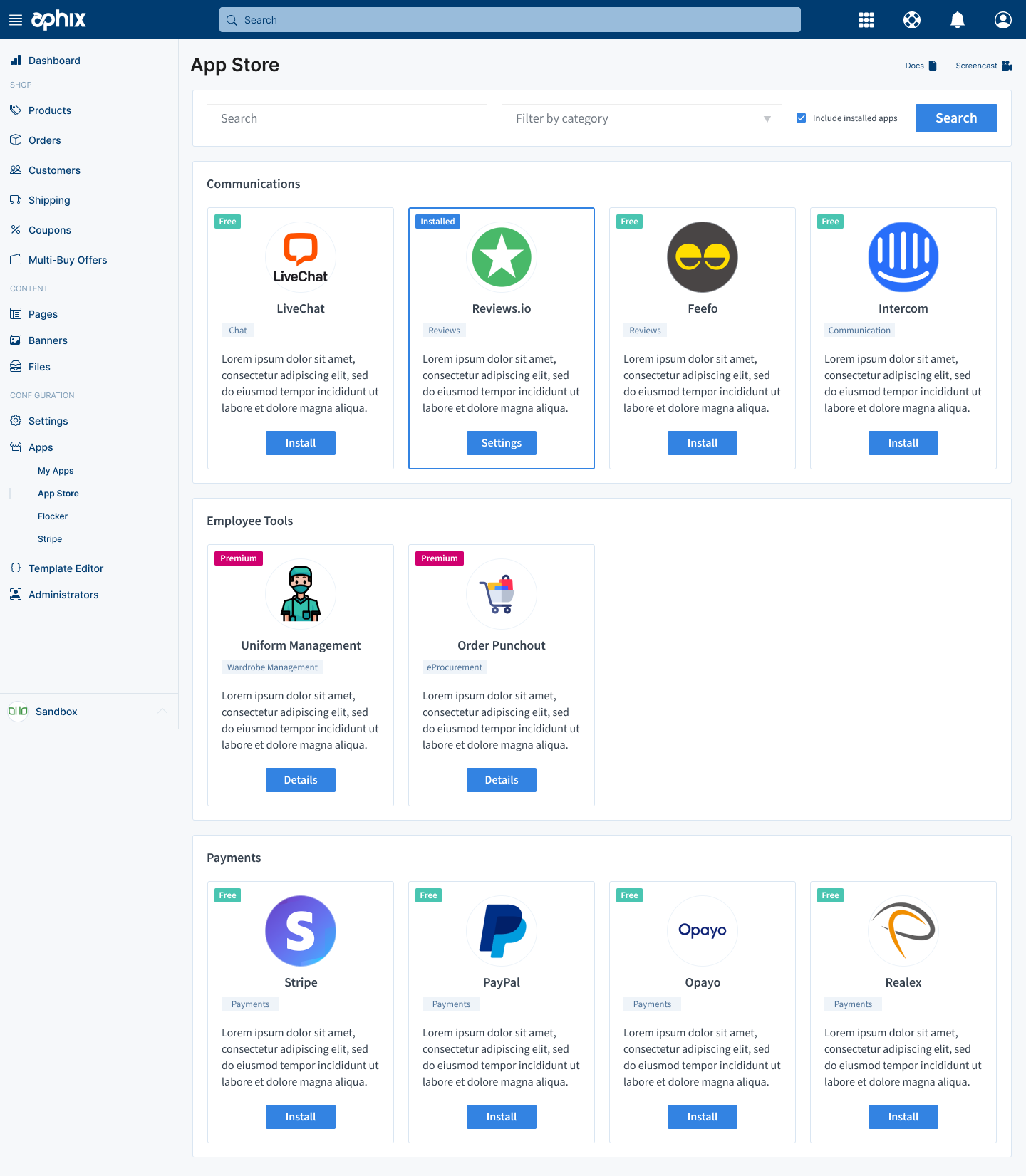
Aphix’s management interface had grown feature by feature until customers struggled to find their way around it. I researched where they were getting stuck, redesigned it around clearer navigation and shared patterns, and built much of it myself inside the existing PHP application. That let improvements ship one area at a time instead of waiting for a rewrite.

A product that had grown over time

Aphix built B2B commerce software that connected with customers’ existing business systems, known as ERP systems.

The management interface was where customers managed products, orders, customers, shipping, imports and exports, storefront content and other parts of their ecommerce operation.

Years of feature development had left that interface difficult to navigate and inconsistent. Similar parts of the product used different patterns, common tasks could be difficult to find, and customer support was being pulled in to help with everyday work.

This wasn’t something we could simply replace with a new product. The redesign had to work with the existing application, data and underlying business logic.

Redesigned management dashboard
Original management dashboard with Reports & Statistics
BeforeAfter
The redesigned dashboard brings service checks, orders needing attention and commerce reports into the main view.

Finding where the friction was

I started by reviewing usage analytics, mapping the existing information architecture and running a survey with customers.

The research repeatedly pointed to the same kinds of problems: navigation was difficult, functionality wasn’t always where customers expected it to be, and users sometimes had to contact support to complete routine actions.

“Compared to other software applications, it feels clunky.”

Customer survey

“Not intuitive. e.g. to EXPORT product specifications, you go to… Products List → Product Export / Import → IMPORT Specifications for Products in order to get to Export options.”

Customer survey

“Often, if I want to do something I need to contact Support or a charge is incurred for work that is required.”

Customer survey

Navigation and shared interface patterns

I grouped related features into clearer navigation sections.

I then established shared patterns for tables, search, filtering, bulk actions, forms and status information.

Those patterns gave future features a consistent starting point for both design and implementation.

Redesigning without starting again

The work needed to be relatively quick to develop, use the existing data, fit the established codebase and tackle the areas causing the most friction first.

I approached the redesign incrementally. New and redesigned areas could sit alongside older parts of the application, so improvements could ship without waiting for a large rewrite.

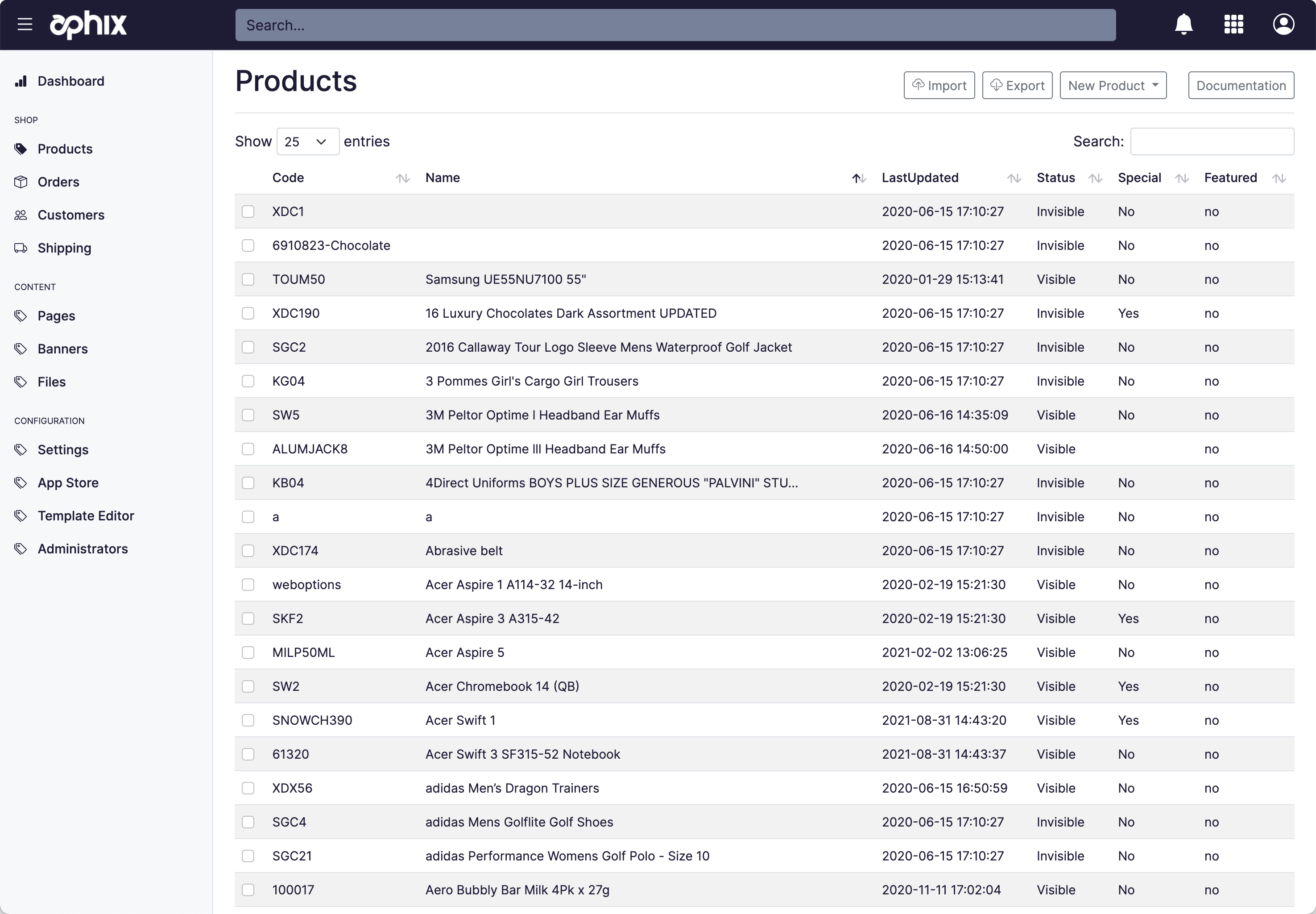
Redesigned Products screen
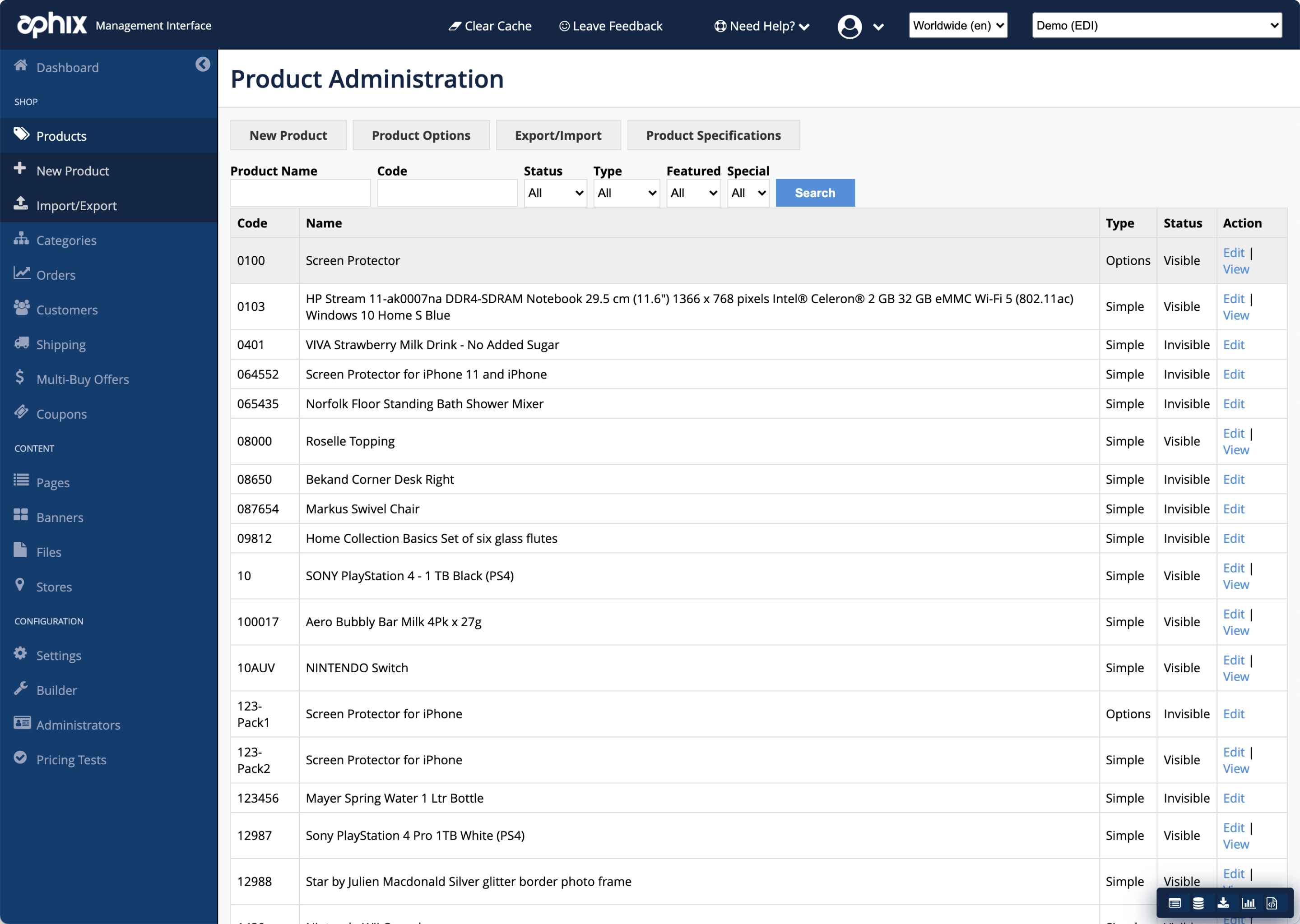
Original Product Administration screen
BeforeAfter
The product list brings Import, Export and New Product into the page header, with search, sorting and row selection alongside the data.

Designing close to the code

I worked on both the design and frontend implementation, building much of the redesigned interface in HTML, CSS and PHP.

I could test interaction details in the browser and build reusable patterns into the existing product.

Patterns for the next feature

Navigation, tables and common actions now followed the same patterns across the redesigned areas.

New features could use those patterns instead of introducing another way to search, edit or manage data, and later work at Aphix was built on them.

Customers responded well to the redesigned areas, which made it easier to keep extending the approach across the rest of the product.